Working Remotely Abroad: Lessons From Spain on Work, Time, and What Matters Most

Last year, I had the good fortune of working abroad in Spain while traveling with my sons. What started as a logistical exercise—how to stay connected, productive, and available while overseas—quickly became something more meaningful. It wasn’t just about working from a different place. It was about experiencing a different rhythm of life, and realizing how much of that rhythm I could carry with me.
Experiences like this don’t happen by accident. They’re often the result of thoughtful planning, flexibility, and a financial strategy designed to support life beyond the day-to-day.
Working remotely abroad often brings to mind comfort and familiarity—your home setup, your routine, your coffee exactly the way you like it. But working remotely from a short-term rental in northern Spain felt different. It required more intention, yes, but it also offered something richer in return.

A Different Rhythm: How Time Reshaped the Day
One of the first things I noticed was how the time difference reshaped my days in the best possible way. My mornings were completely my own. I’d start slowly—coffee, a walk through town, sometimes a stop at a local market—often with my sons. There was no rush to open a laptop first thing.
Work began later in the day, and somehow that shift made everything feel more balanced. Evenings stretched longer, dinners weren’t hurried, and conversations didn’t feel like something I had to squeeze in between obligations. Instead of work interrupting life, it felt like it was fitting into it.
That shift didn’t just happen because of geography—it was also possible because of a level of flexibility that had been intentionally built into how I work and how I approach financial planning more broadly.
Planning for Productivity While Working Remotely Abroad
Of course, none of that would have worked without a bit of planning. Working remotely abroad requires more than just a laptop—it requires intentional preparation to avoid disruptions.
Before booking any place, I made sure the Wi-Fi was strong enough to handle video calls and multiple devices. I also traveled with a backup hotspot, which gave me peace of mind. Knowing I had a reliable connection allowed me to be present—both in my work and in everything happening around me.
That same mindset—planning ahead to remove friction—isn’t all that different from how we approach financial decisions. When the right pieces are in place, it becomes much easier to focus on what matters, rather than constantly reacting to what could go wrong.
Creating Boundaries in a Temporary Space
I also learned quickly how important it was to create a sense of separation, even in a temporary space. Without it, work and life can easily blur together—especially when everything happens under one roof.
Having a dedicated room to work from made a huge difference. It helped me focus during the day, and when I was done, I could close the door and step back into being fully present with my family. That simple boundary created a balance that’s often harder to achieve at home.
In many ways, that mirrors a broader principle: structure creates freedom. When there are clear boundaries—whether in how we spend our time or how we organize our financial lives—it becomes easier to be fully present in each part.
A Minimal Setup, Maximum Flexibility
What surprised me most was how little I actually needed to stay productive. My entire setup fit into a carry-on—laptop, two portable monitors, and a foldable keyboard. It was simple, efficient, and familiar.
No matter where I was, I could sit down and get to work without friction. That consistency made it easier to adapt to a new environment without sacrificing productivity.
It was also a reminder that more isn’t always better. Whether it’s the tools we use or the financial structures we build, simplicity often leads to greater clarity and flexibility over time.
The Hidden Benefit: Energy, Focus, and Everyday Moments
But the real shift came from being in a place that invited you to live differently. The walkability of the city meant I could step out between calls, grab a coffee, take a short walk, or meet my sons for a quick bite without it turning into a full interruption of the day.
Those small moments added up. I felt better, more energized, and—somewhat unexpectedly—more focused.
For many people, the question isn’t whether this kind of experience is appealing—it’s whether it’s feasible. And more often than not, that comes down to how intentionally their financial life has been structured.
We’ve seen this firsthand with clients—those who have built flexibility into their plans often find it much easier to take advantage of opportunities like this when they arise.
Why Time, Not Efficiency, Is the Real Return
The biggest gift, though, was time. My sons are at that stage where life is starting to pull them in different directions, and I’m very aware of how fleeting this window is. Being able to work while traveling with them meant I didn’t have to choose between showing up professionally and being present personally.
We shared meals, explored new places, and spent time together in a way that felt both ordinary and incredibly special. Those are the moments I’ll carry with me long after any workday is forgotten.
It also reinforced something I’ve come to believe more deeply over time: taking care of ourselves isn’t a luxury, it’s a strategy.
In financial planning, we often talk about aligning resources with priorities—but experiences like this are a reminder of what those priorities actually are. The goal isn’t just to build wealth, but to build the flexibility to use it in ways that matter. Sometimes that means creating the ability to take a month abroad. Other times, it’s simply having more control over your day-to-day. The principle is the same.
Tax and Residency Considerations When Working Abroad
There were, of course, practical considerations to keep in mind. Spending extended time abroad can come with tax and residency implications, even if you’re working remotely for a U.S.-based company.
Spain, like many countries, has specific rules around how long you can stay without triggering tax consequences. It’s the kind of detail that’s easy to overlook in the excitement of planning a trip, but worth understanding ahead of time.
These are also the kinds of considerations we often walk through with clients who are exploring more flexible or location-independent lifestyles. A bit of research—and the guidance of a tax professional if needed—can go a long way in avoiding surprises later.
Learn more about the tax implications of working abroad in Europe.
Bringing It Home: Designing a Life That Works
Looking back, working remotely from Spain wasn’t about escaping my responsibilities. If anything, it made me more intentional about them. It showed me that with the right preparation and mindset, work can support the life you want to live—not compete with it.
And in the end, it wasn’t the productivity hacks or the perfectly planned schedule that mattered most. It was the quiet mornings, the long dinners, the walks through unfamiliar streets, and the simple, everyday moments shared with my sons in a place far from home.
Those are the returns that don’t show up on a report—but matter just as much.
Connect With Us
If you’re thinking about what more flexibility could look like in your own life—whether that’s working remotely abroad or simply creating more space in your day-to-day—we’d be happy to help you think through what it takes to make that possible.
Categories
Recent Insights
-
Hobbies in Retirement: Planning for the Everyday
When we talk about planning for retirement, the conversation almost always starts with the finances. Do I have enough saved? Will my income be reliable? Can I travel, help family members, or give generously? Those are important questions. But there’s another one that tends to get pushed aside—and it may matter just as much: What…
-

The Rise of Financial Independence for Women: Rewriting the Rules of Wealth and Retirement
For generations, financial planning followed a fairly predictable script: get an education, build a career, get married, raise a family, then retire. Today, that script is being rewritten. Women are marrying later than previous generations, and a growing number are choosing not to marry at all. As a CFP® who spends most of my time…
-
Talk Your Chart | Tariffs, the Fed’s Next Move, and Lessons From the Dot-Com Bubble | Ep. 80
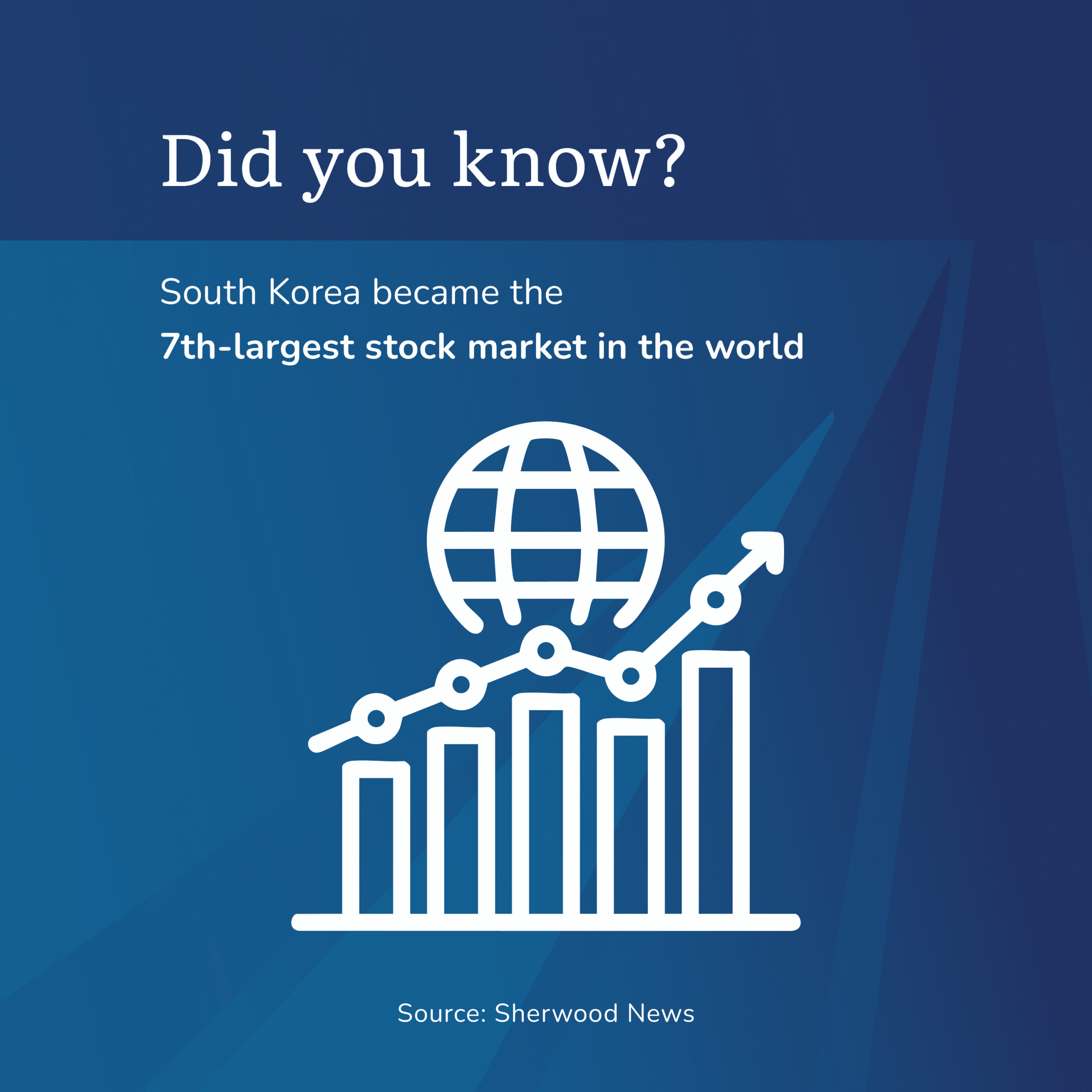
In Episode 79 of Talk Your Chart, Marcos and Brett break down the market’s rare pullback, as they talk through the latest jobs report, interest rates, and what could pressure markets next. They also dig into the durability of the AI boom, South Korea’s rise as a global equity market, and how massive IPOs like…
-

Plan Intentionally: Designing Retirement Around the Moments That Matter Most
Retirement planning has always been about more than numbers on a spreadsheet. At its core, it is about securing the freedom to live with purpose, stay connected to the people who matter most, and show up for life’s real moments when they matter most. Too often, conversations about retirement become consumed by growth rates, projections,…
-

What Lubbock Quietly Teaches About Wealth
After years of working with families in Lubbock, we’ve come to appreciate something that rarely gets said out loud: wealth is not just what you accumulate. It is what your environment allows you to keep, experience, and enjoy. And in that sense, Lubbock has a way of teaching lessons that extend far beyond financial planning.…